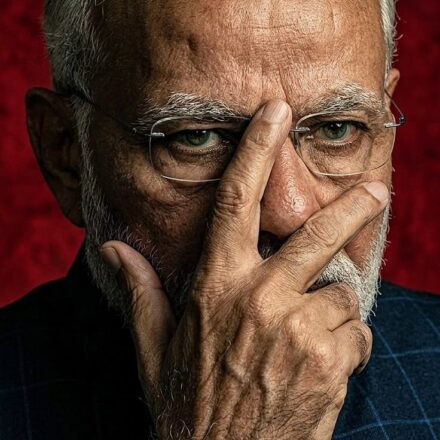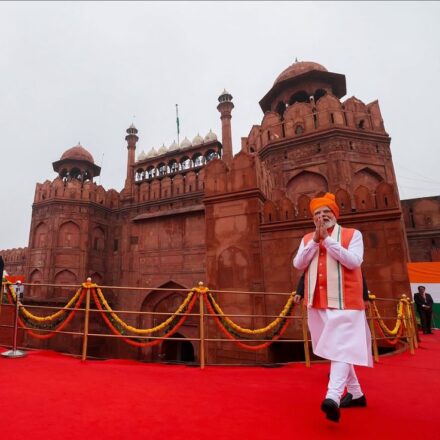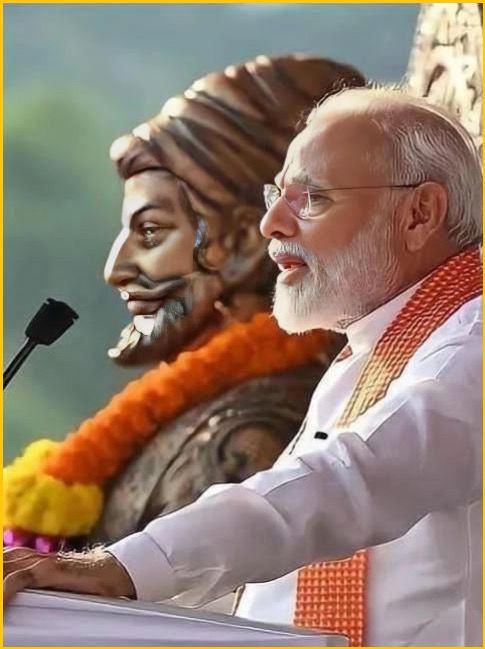

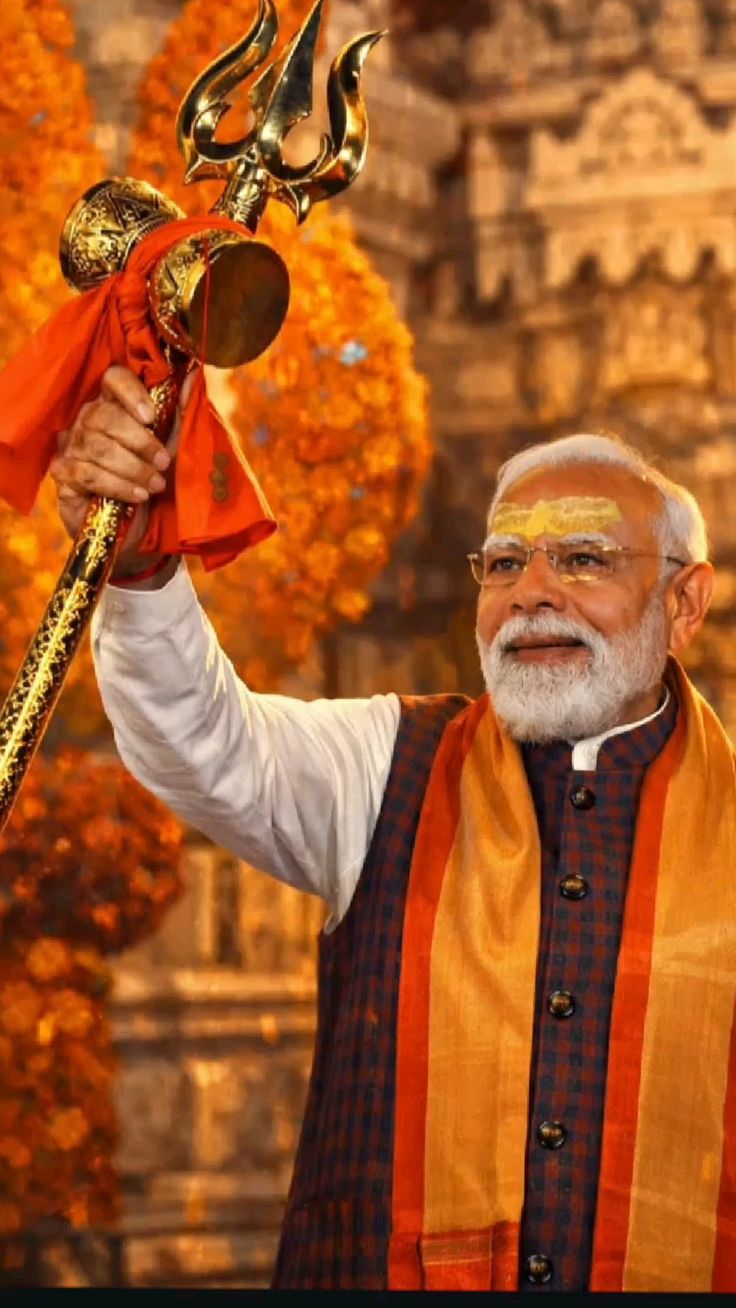
Strong Leadership: How PM Narendra Modi Is Transforming India 2026 Narendra Damodardas Modi is the 14th Prime Minister of India. After BJP’s victories in the 2014, 2019, and 2024 Lok Sabha elections, Narendra Modi became Prime Minister for the third consecutive time. Following the Indian National Congress’s win in the 2014 Lok Sabha elections, Narendra Modi took office as Prime Minister for the first time on May 26. Elected as an MP from the Varanasi Lok Sabha constituency in Uttar Pradesh, under Narendra Modi’s leadership, for the first time since 1984, a single political party got a majority in the Lok Sabha on its own.
He is the first Indian PM to be born after the country’s independence in 1947. After NDA’s victory in the 2019 Lok Sabha elections, Modi started his second term as PM in 2019. After winning the 2024 Lok Sabha elections, the Modi government scored a hat-trick.
Before becoming the Prime Minister, Narendra Modi worked as the Chief Minister of Gujarat for over a decade. Narendra Modi was born on September 17, 1950, in Vadnagar, Mehsana district, Gujarat. His parents were Hiraba and Damodardas Modi. Although Narendra Modi’s first introduction to the Rashtriya Swayamsevak Sangh (RSS) happened at the age of eight, he became a full-time RSS worker in the 1970s. He joined the Bharatiya Janata Party (BJP) in the late 1980s.
In 2001, he took office as the Chief Minister of Gujarat and stayed in that position until 2014. After the Bharatiya Janata Party (BJP) won in 2019, Narendra Modi’s second term as Prime Minister began. Apart from the Indian National Congress, he is the second politician to become India’s Prime Minister by winning two consecutive times.
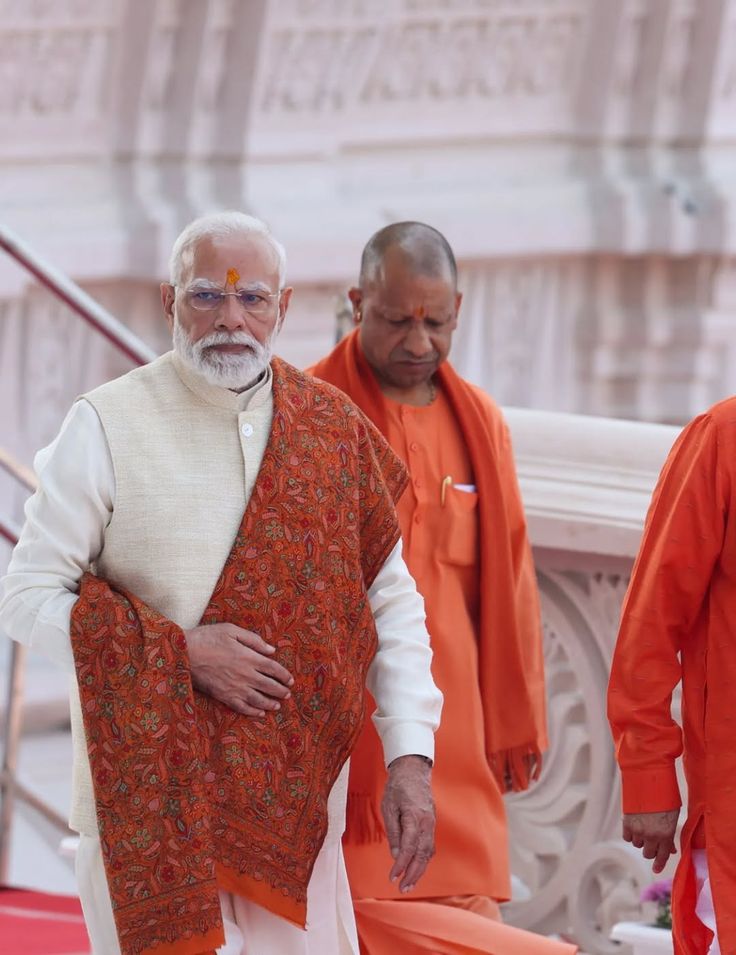
Their official Twitter handle is @narendramodi and the Facebook page is named Narendra Modi. On Instagram, they are active with the username @narendramodi.
Prime Minister Narendra Modi turned 75 today. Looking at his 11-year tenure as Prime Minister, many of his decisions have proven to be milestones. During his three terms, major decisions like the removal of Article 370 and the implementation of GST were taken. Until 2014, coalition politics had become common, but Modi broke this trend. The same happened in 2019. Even without a full majority, his third term seems remarkable given the global situation of current leaders struggling post-COVID.
Article 370
By ending the special status of Jammu and Kashmir and removing Article 370, the BJP fulfilled its decades-old goal. This bold decision surprised many people, especially getting it passed in the Rajya Sabha without a clear majority. After this, terrorist incidents and stone-pelting decreased, and tourism got a boost. In the 2024 Lok Sabha elections, more than 58% voting took place.
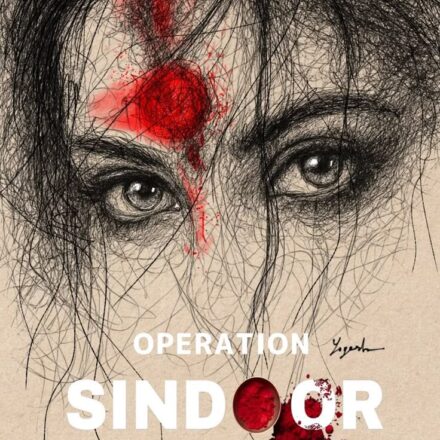
Operation Sindoor
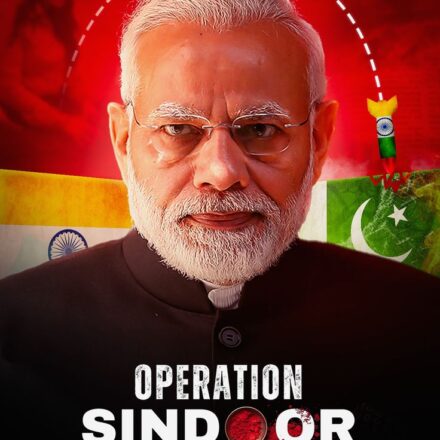
Through Operation Sindur, the world saw the strength of India. It was a military response to Pakistan’s betrayal that was talked about all over the world. The operation, carried out with precise intelligence and the unity of all three armed forces, caused major damage to Pakistan. After the surgical strike and Balakot, Operation Sindur exposed Pakistan’s nuclear audacity. Even in the midst of nuclear threats, it showed India’s readiness to take action. PM Modi’s decision made it clear that if a mistake is made again in the future, the impact will be severe.
Covid vaccine
During the time of Corona, India focused on making the COVID vaccine within the country. Covaxin and Covishield were quickly made available to the general public. In tough times, Modi emphasized development and trust. By January 2023, more than 2.2 billion vaccine doses had been given. About 97% of adults in the country got at least one dose, and 90% got both – something not seen in any other country in the worldupi
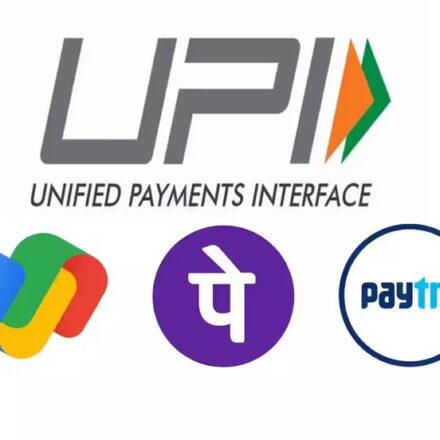
UPI
The world’s largest real-time payment system, UPI, crossed 20 billion monthly transactions in August. The platform has expanded very quickly. The foundation for UPI’s support system was first laid in 2014 with the launch of the Prime Minister’s Jan Dhan Yojana (PMJDY), which coincided with the implementation of Aadhaar. These two, along with the widespread use of mobile phones, gave rise to the JAM (Jan Dhan, Aadhaar, and Mobile) trinity, which provided the framework for UPI’s implementation. Its usage surged after demonetization in 2016. Modi directly promoted it, launched the BHIM app, and linked it with the Digital India campaign. From big retailers to vegetable vendors, digital payments have now become ubiquitous.
Ayushman Bharat
Providing health insurance in a country with a population of over a billion, a federal system, and challenges of corruption was a big achievement. The Modi government launched the Ayushman Bharat scheme in September 2018, which is the world’s largest free health insurance program, offering coverage of up to 5 lakh rupees per family annually. Initially, this scheme was for the poor, but now it covers all citizens above the age of 70.
Clean India
Launched on October 2, 2014, the Swachh Bharat Mission (SBM) has been a historic initiative aimed not only at achieving universal sanitation coverage and making India open defecation free (ODF), but also at being one of the largest efforts to bring about behavior change.
He has done even more good work PM Narendra Modi is the best PM so far; he is India’s longest-serving elected prime minister. Strong Leadership: How PM Narendra Modi Is Transforming India 2026 Strong Leadership: How PM Narendra Modi Is Transforming India 2026 Strong Leadership: How PM Narendra Modi Is Transforming India 2026 Strong Leadership: How PM Narendra Modi Is Transforming India 2026 Strong Leadership: How PM Narendra Modi Is Transforming India 2026 Strong Leadership: How PM Narendra Modi Is Transforming India 2026 Strong Leadership: How PM Narendra Modi Is Transforming India 2026 Strong Leadership: How PM Narendra Modi Is Transforming India 2026 Strong Leadership: How PM Narendra Modi Is Transforming India 2026 Home – tsarkar
;;; the end ;;;