This is how the final decision to deal a massive blow to Pakistan was made… The inside story of ‘Operation Sindoor’. (0)

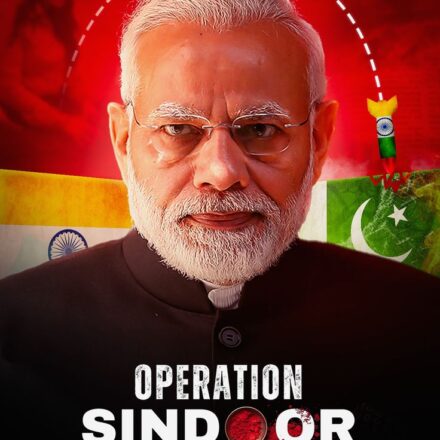
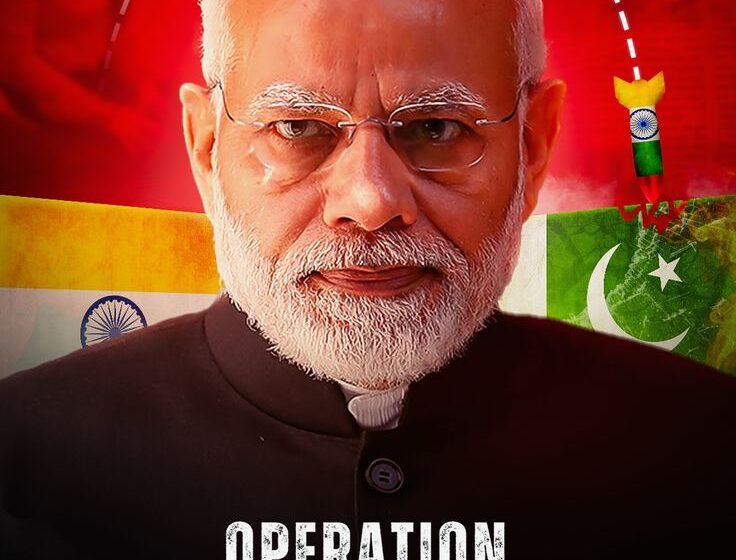
This is how the final decision to deal a massive blow to Pakistan was made… The inside story of ‘Operation Sindoor‘. (0) :- Former CDS General (Retd.) Anil Chauhan has revealed that during a meeting chaired by PM Modi on April 29—following the Pahalgam attack—a decision was made to teach Pakistan a lesson “beyond imagination.” Granting the Army a free hand, the PM directed them to carry out precise action backed by concrete, irrefutable evidence.
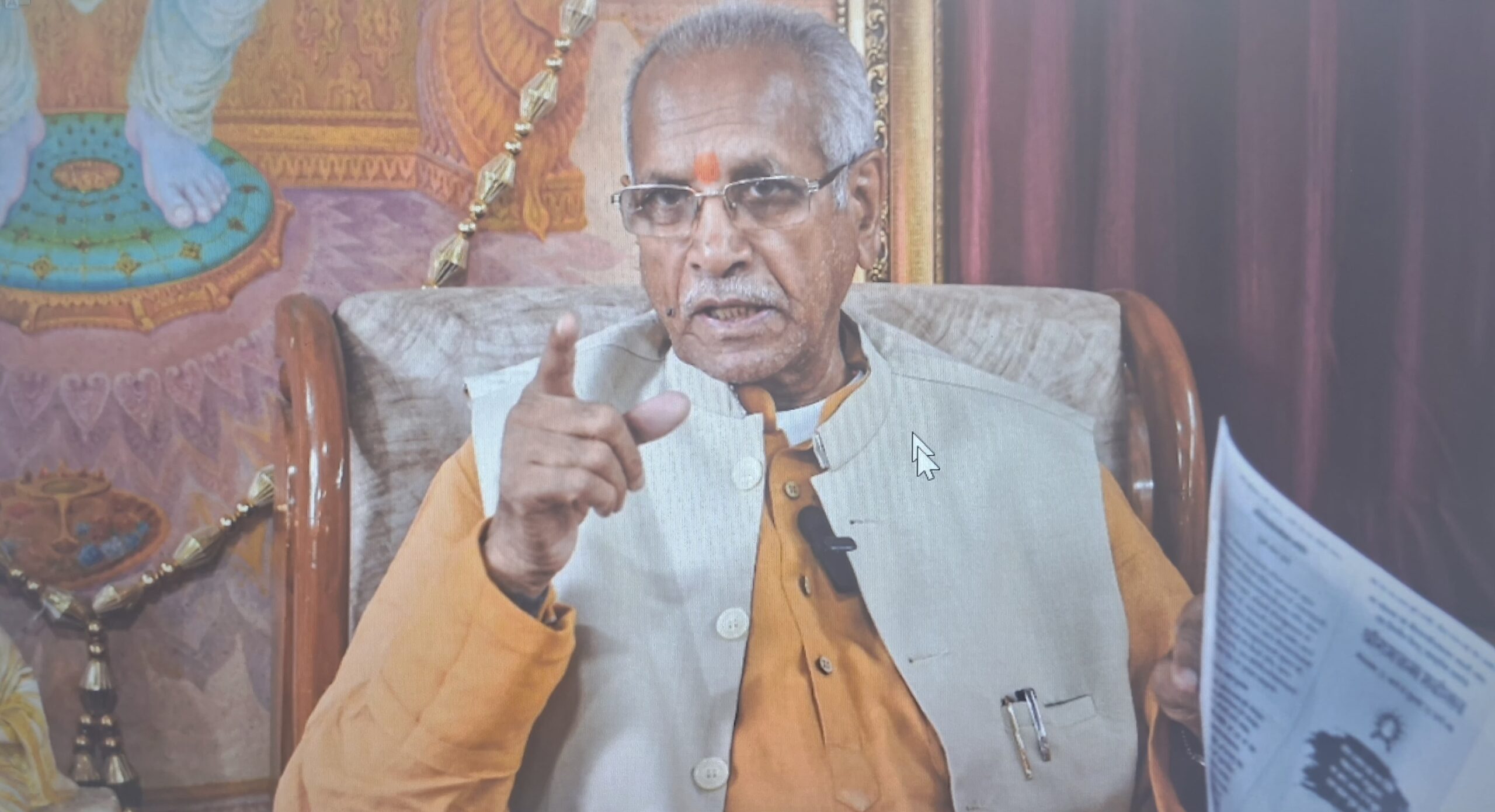
Former Chief of Defence Staff (CDS) General Anil Chauhan (Retd.) has made significant revelations regarding how the blueprint for India’s military action—’Operation Sindoor’—was prepared following the Pahalgam terror attack.
He stated that during a crucial meeting chaired by Prime Minister Narendra Modi on April 29, 2025, a decision was taken to teach Pakistan a “harsh lesson” and to carry out an action it had not even imagined.
Speaking at a Vivekananda International Foundation event on the topic ‘Operation Sindoor and Beyond’, General Chauhan stated that Defence Minister Rajnath Singh, National Security Advisor (NSA) Ajit Doval, and the chiefs of the three armed forces were present at the meeting alongside Prime Minister Modi.
The former CDS said, “When we went there on April 29, the major decision taken was that ‘we must teach Pakistan a strong lesson, because India will not tolerate cross-border terrorism and it must be eliminated.'” He mentioned that remarks such as “beyond this…” and “beyond imagination (unimaginable)” were made during the meeting.
General Chauhan stated, “Prime Minister Modi clearly told us that there was no political pressure to take immediate action against them. He said—make the decision according to your own timeline, but ensure there is no room for failure due to human or technical reasons, and that we possess concrete evidence of the action.”
Why decide on the attack at midnight?
The former CDS stated that there were initial apprehensions about whether the Indian armed forces could strike targets in the pitch darkness of midnight while simultaneously gathering sufficient evidence of the operation. However, the military leadership was confident in its advanced capabilities. He explained that this was why Bahawalpur was specifically included in the list of targets during the meeting, and nighttime was chosen for the strikes to minimize collateral damage to civilians.
It was ultimately decided that the Indian Army could successfully conduct operations even at midnight. Conducting operations at night provided the advantage of a surprise attack and also reduced the risk of civilian casualties.
Why was Bahawalpur added to the target list?
According to General Chauhan, Bahawalpur was also included in the list of targets during the meeting on April 29. He stated that this decision was taken at the insistence of the then Defence Minister Rajnath Singh, as the Prime Minister had spoken of doing “something big.”
The target at Bahawalpur was at a considerable distance. Once it was included in the list, the use of air power became essential, as loitering munitions and drones lacked the range to reach it, and mission success could not have been guaranteed.
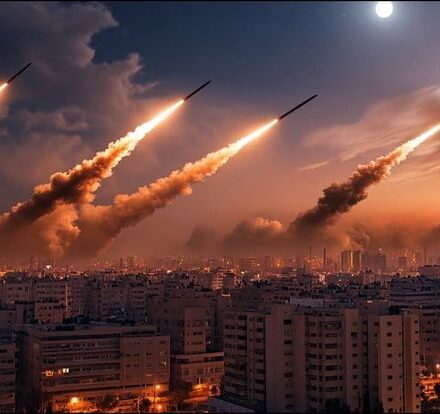
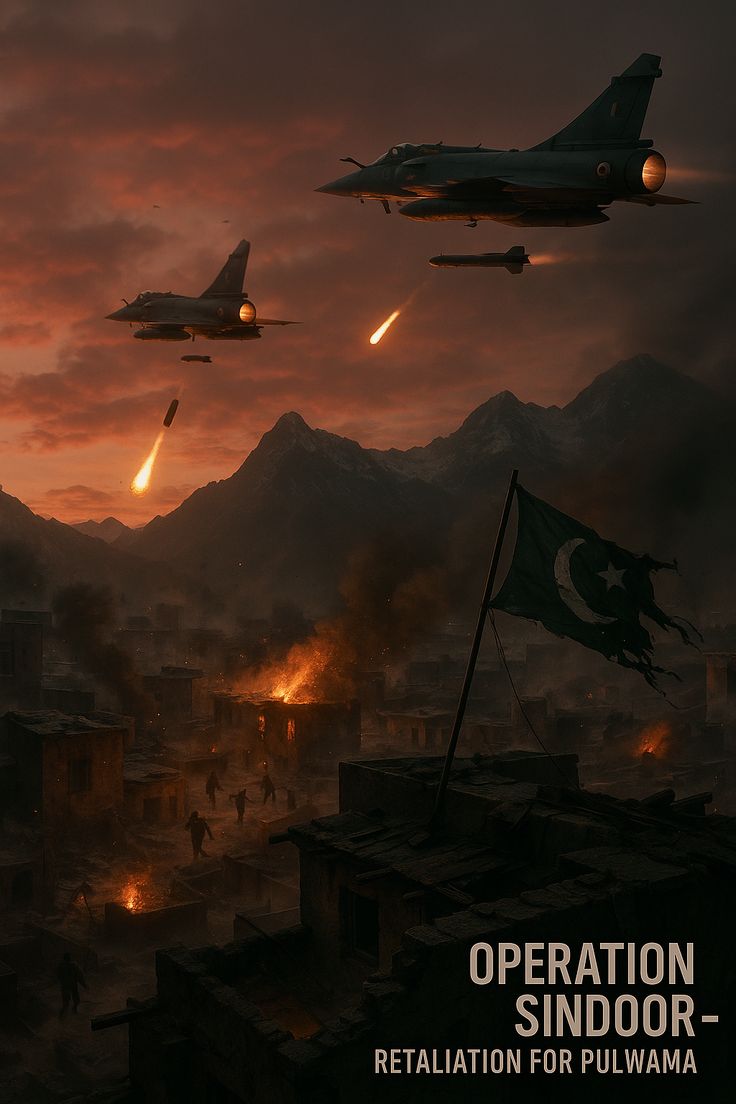
Markaz Tayyaba in Muridke and Markaz Subhanallah in Bahawalpur—reported to be linked to Jaish-e-Mohammed—were among the nine terror camps targeted by Indian forces in the early hours of May 7, 2025.
Meetings held continuously from April 23 to 29
The former CDS stated that a series of continuous meetings and preparations took place at the military and security establishment levels between April 23 and 29. Four or five meetings of the Chiefs of Staff Committee were held, and approximately the same number of meetings took place with the NSA.
He stated that several options were presented to the government and discussed with the NSA. Decisions regarding the use of diplomatic and economic leverage, among other means, were taken on April 23, while the modalities for the use of military force were finalized on April 29.
General Chauhan stated that one of the biggest challenges of the operation was identifying the targets. After the Prime Minister spoke of targeting terrorist hideouts, some locations were vacated, others were reoccupied, and some were relocated. Consequently, a continuous assessment was carried out between intelligence agencies and the military intelligence apparatus to determine which terrorist hideouts should be targeted.
‘Operation Sindoor is still ongoing’
The former CDS stated that Operation Sindoor is still ongoing, although its key phases have been completed. He explained that critical decisions—such as the alert status of the armed forces, the timing of the strike, and the day of the attack—were taken at the level of the Chiefs of Staff Committee. Information and assessments available between April 23 and around May 6 were utilized to make these decisions. He noted that military leadership requires clear political direction, and such direction was available to them during the meeting held on April 29.
General Chauhan also stated that no army is 100 percent prepared at all times. There are always some shortcomings within the armed forces, and assessments regarding the enemy can never be entirely complete; it is a continuous process.
He stated that the three armed forces, as well as he himself, had ensured from the very first day that there were no shortcomings on their part that could hinder the operation. The military leadership had assured the government that whatever decision it took, the armed forces would be capable of implementing it effectively—not just for a day or two, but for several days if necessary.
The former CDS also made a significant point regarding strategy. He stated that the same strategy cannot be repeatedly employed against the enemy; instead, new strategies must constantly be devised. The Government of India and the armed forces have presented ‘Operation Sindoor’ as a new ‘red line’ against cross-border terrorism. The government maintains that if terrorism is part of a nation’s policy, the response will take the form of visible and effective action. This has also been described as a shift from ‘deterrence’ to ‘direct action’.
THE END