(0)There was no control on the plane for four seconds, major revelation on the Phuket-Delhi turbulence flight

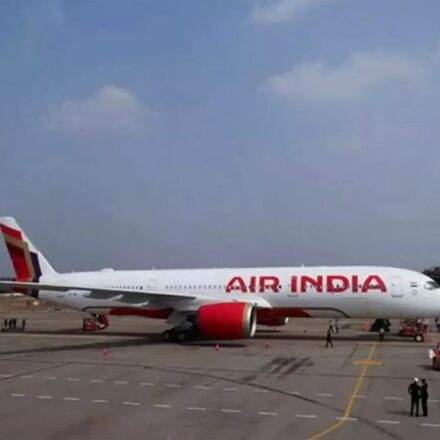
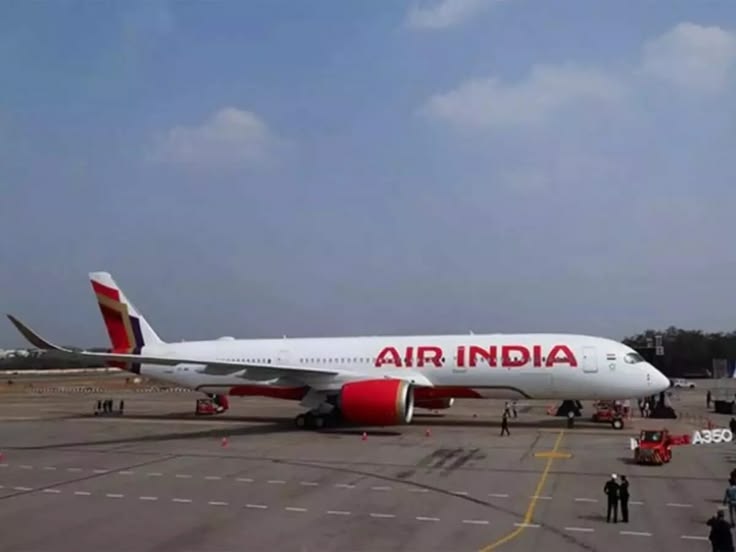
There was no control on the plane for four seconds, major revelation on the Phuket-Delhi turbulence flight :- Airbus’s initial investigation regarding Air India’s Phuket-Delhi flight has revealed that the aircraft’s critical flight controls did not function for approximately 4 seconds. During this period, all three hydraulic systems failed, and the pilot’s nose-down input did not take immediate effect. After the system recovered, the aircraft descended rapidly, recording a drop of about 300 feet.
A major technical revelation has emerged from Airbus’s initial investigation into the incident on Air India flight AI2379 from Phuket to Delhi on August 4. According to the preliminary digital flight data recorder (DFDR) readings, the aircraft’s key flight controls were non-operational for approximately 4 seconds. During this period, the aircraft experienced a sudden drop of about 300 feet, resulting in injuries to passengers and crew members.
According to Airbus’s initial readings, control over the A320 Neo’s elevators and ailerons was lost simultaneously. The elevators help move the aircraft’s nose up and down, while the ailerons assist in turning the aircraft left and right. During this time, the spoilers also stopped functioning. It was reported that all three hydraulic systems of the aircraft failed simultaneously.
For approximately 4 seconds, the elevators and ailerons were drifting on their own without any pilot command. During this time, the autopilot also got disconnected, and a stall warning was reported in the cockpit. To avoid a possible stall, the co-pilot pushed the side-stick forward, but due to the lack of hydraulic power, his input did not immediately translate into a nose-down movement of the aircraft.
As soon as the hydraulic system was fixed, the plane picked up a sharp nose-down trajectory
A few seconds later, as all three hydraulic systems resumed functioning, the pilot’s nose-down input became effective, and the aircraft suddenly adopted a steep nose-down trajectory. During this time, the aircraft descended to about 300 feet. Passengers and crew experienced a strong jolt, and several people were injured. Subsequently, the aircraft safely reached Delhi.
Technical fault in the hydraulic pressure sensor or pressure switch!
Initial inspections by Airbus have indicated a possible malfunction of the hydraulic pressure sensor or pressure switch, but it has not been considered the final cause of the incident. Experts from Airbus and France’s BEA are also assisting in the investigation, and the findings of the technical investigation are being provided to the Indian Aircraft Accident Investigation Bureau, that is, the AAIB.
It would not be correct to say that the aircraft was nose-down for 4 seconds. The correct statement is that the aircraft’s critical flight controls were not functioning for approximately 4 seconds, and during this time, the pilot’s nose-down input could not have an immediate effect. After the hydraulic system was reactivated, the aircraft adopted a steep nose-down trajectory and descended by about 300 feet.
THE END