Delhi EV Policy: Two-wheelers, autos, buses, trucks… What will happen to old vehicles after Delhi’s new EV policy? 0

Delhi EV Policy: Two-wheelers, autos, buses, trucks… What will happen to old vehicles after Delhi’s new EV policy? 0
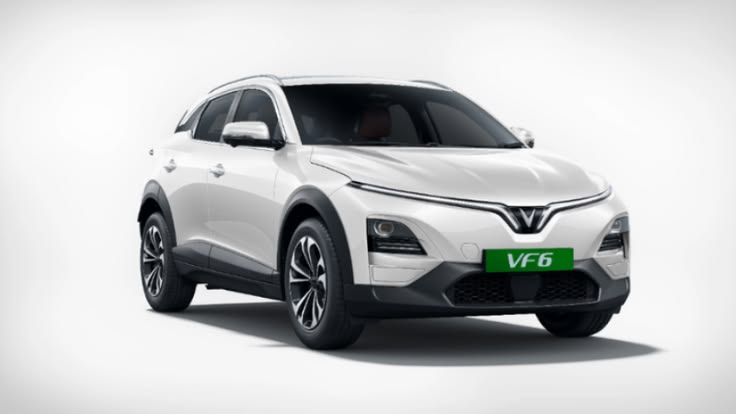
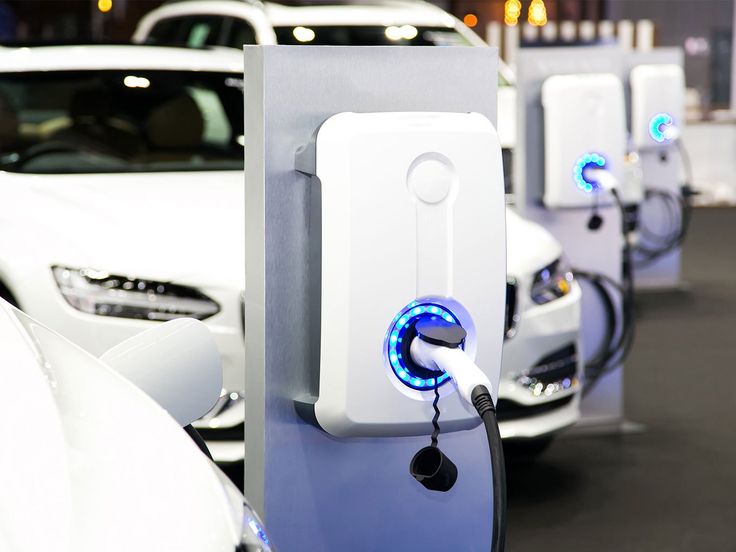
Delhi EV Policy 2.0: The Kejriwal government of Delhi has presented a blueprint to change the entire transport system of the state with the announcement of the new electric vehicle policy. Let’s understand what impact this new policy will have on old vehicles, who will benefit, and who needs to be prepared.
Delhi has made its biggest move yet against pollution. The capital is slowly getting ready to phase out petrol and diesel vehicles. The new EV policy is not just a plan to promote electric vehicles, but a roadmap to transform Delhi’s entire transport system over the next four years. Yesterday, Delhi’s Chief Minister Rekha Gupta announced the state’s new Electric Vehicle Policy (Delhi EV Policy), which will come into effect tomorrow, July 1, 2026, and will remain in force until March 31, 2030.
The biggest question in this situation is, what will happen to the people who already have petrol, diesel, or CNG vehicles? Will old vehicles be banned? Will it become difficult to buy a new bike or auto? Let’s understand in simple words what Delhi’s new EV policy is going to change in the lives of ordinary people.
First of all, it’s important to understand that after the new EV policy comes into effect, the petrol, diesel, and CNG vehicles already running in Delhi won’t be stopped immediately. If you already own a bike, scooter, car, auto, or truck, you can continue using it under the existing rules. The focus of the new policy is mainly on the registration of new vehicles, not on the ones that are already registered. However, as vehicles reach their designated age or fall under the scrapping rules, the government will encourage replacing them with electric vehicles.
What does the new policy say?
The Delhi government says that, according to a study, about 33 percent of vehicle pollution in Delhi comes from commercial vehicles, and 46 percent comes from two-wheelers and three-wheelers. So, two-wheelers are also one of the main reasons for pollution in Delhi. That’s why the biggest announcement of the Delhi EV policy is related to two-wheelers.
According to this new policy with a budget of ₹15,000 crore, 100% registration and road tax will be waived off on the purchase of pure electric vehicles in Delhi. Besides, after April 1, 2028, new petrol and CNG motorcycles or scooters won’t be registered in the capital. So, if you want to buy a new two-wheeler, you’ll only have electric options. About two-thirds of the total vehicles in Delhi are two-wheelers, and that’s why the government has decided to make this segment fully electric first.
What will happen to the old two-wheeler?
There hasn’t been any announcement for old two-wheelers for now. Nor has any kind of ban been imposed on them. But new petrol two-wheeler buyers will only have time until March 31, 2028. After that, you won’t be able to buy petrol two-wheelers in Delhi. So, plan your next steps carefully.
How much subsidy is there on electric two-wheelers (for 3 years)
| First year | 30,000 |
| Second year | 20,000 |
| third year | 10,000 |
Big change in auto rickshaw
From January 1, 2027, the registration of new petrol, diesel, and CNG auto rickshaws will be stopped in Delhi. After that, only electric autos will be registered. This doesn’t mean that the old autos will stop immediately the next day after the policy comes into effect. But when their permit expires or there’s a need to buy a new vehicle, electric autos will be the only option. The government is also giving a subsidy for buying electric autos to help drivers financially.
How much subsidy is there on an electric three-wheeler (for 3 years)
| First year | 50,000 |
| Second year | 40,000 |
| third year | 30,000 |
Impact on trucks and goods carriers
The new policy won’t have any direct impact on existing commercial trucks or goods carriers. However, there is definitely an emphasis on adopting electric models for smaller commercial trucks and goods vehicles too. The government is providing financial support for electric N1 and N2 category trucks. In Delhi, it has also been announced that the first 1,000 registered electric medium trucks will get a 10-year exemption from ‘no entry’ timings. This can be a big benefit for logistics companies and transport businesses. Additionally, customers buying N1 category, i.e., small electric trucks, will get an incentive of up to 1 lakh rupees in the first year.
If you scrap your car, you’ll get an incentive
The new EV policy isn’t just about buying new vehicles, it also encourages getting rid of old pollution-causing ones. If someone deposits their old BS-IV or older vehicle at an authorized scrapping center and buys an electric vehicle, they’ll get a separate scrapping incentive. For cars, this benefit can be up to 1 lakh rupees, while separate incentives have also been set for two-wheelers, autos, and small commercial vehicles.
How much will I get for scrapping?
| Two-wheeler | 10,000 rupees |
| Three-wheeler | 25,000 rupees |
| N1 category commercial vehicle | 50,000 rupees |
| four-wheeler | 1 lakh rupees |
New rule for school buses
Delhi schools will have to make big preparations. The new EV policy has set some special and strict rules for school buses. Within 2 years of the new EV policy coming into effect, all schools in Delhi will have to convert 10% of their bus fleet (whether the buses are their own, hired, or rented) to EVs. Apart from this, within 3 years they will have to convert 20%, and by March 31, 2030, 30% of their bus fleet to electric. This is a big announcement of preparations for schools in Delhi.
Do you need to panic?
Not for now. If you already have a petrol, diesel, or CNG vehicle, it’s not being banned immediately. But if you plan to buy a new auto, bike, or some commercial vehicle in Delhi after 2027 or 2028, you’ll have to be ready for an electric option. The new EV policy clearly indicates that Delhi has now entered the era of electric mobility rather than expanding petrol and diesel vehicles. In the coming years, it will be common to see electric bikes, autos, buses, and trucks on the capital’s roads.
Delhi is counted among the most polluted cities in the world. According to government data, a large portion of the air pollution in the capital comes from smoke emitted by vehicles. Because of this, the government has set a goal to gradually phase out new petrol and diesel vehicles over the next few years and make electric mobility mainstream.
Delhi EV Policy: Two-wheelers, autos, buses, trucks… What will happen to old vehicles after Delhi’s new EV policy? 0 Delhi EV Policy: Two-wheelers, autos, buses, trucks… What will happen to old vehicles after Delhi’s new EV policy? 0 Home – tsarkar
;;; the end ;;;