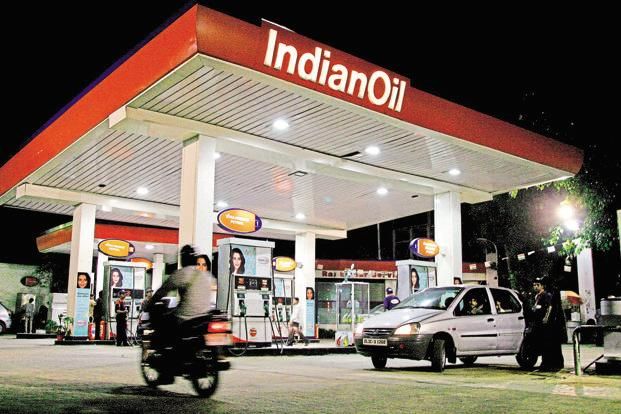

…then petrol prices would become ₹125 per liter, big claim by the government on E20;; The government has made a big claim about petrol prices and E20. Amid opposition to ethanol, the government, for the fourth time in a week, issued a clarification saying that petrol prices could have gone up to 125 rupees per liter during the war.
Sticking to its E20 petrol policy, the government has made a big claim. The government says that even though crude oil prices went very high during the US-Iran war, petrol prices didn’t rise much because the E20 policy played a big role.
Amid the outrage over E20, the government has issued clarification on E20 for the fourth time in a week. The government said that if the war in the Middle East had reached its peak, petrol prices would have reached 125 rupees per liter.
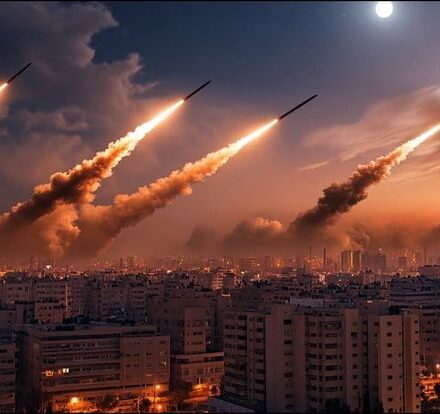
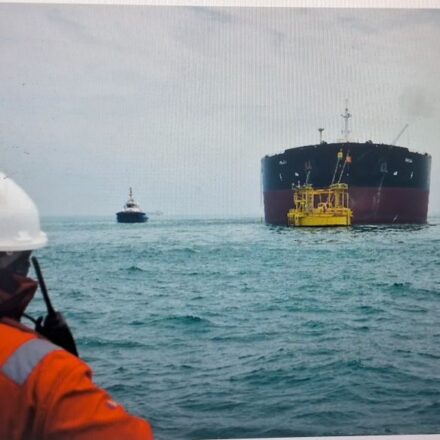
The Ministry of Petroleum said in its statement in detail that during the Iran war, global crude oil prices went up to $135 (about 13,000 rupees) per barrel. The prices rose so sharply because Iran closed the Strait of Hormuz due to joint attacks by the US and Israel. This is the same route through which the world imports 20 percent of its oil and gas.
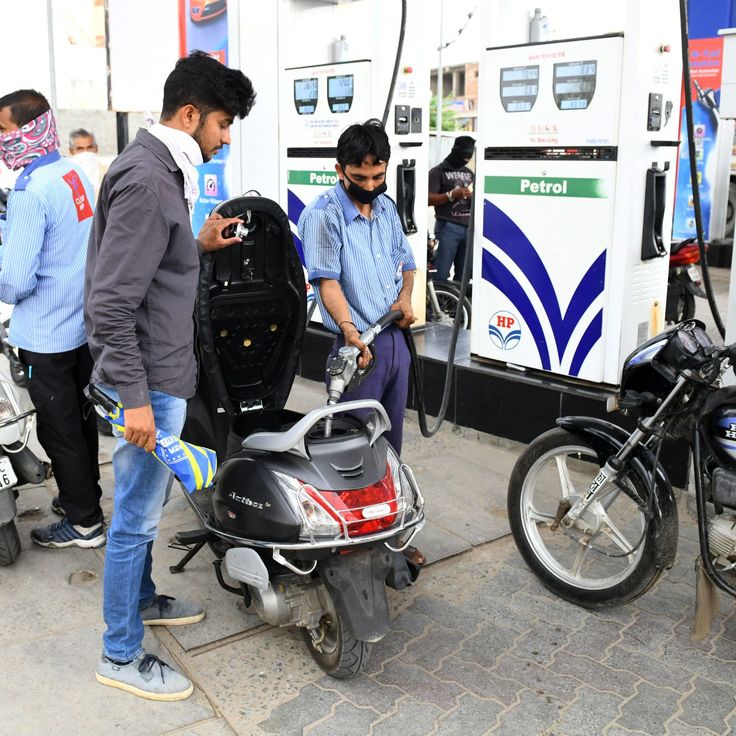
If there wasn’t E20, then…
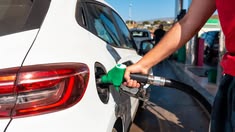
The ministry said that when the price of Indian crude oil reached around $135 per barrel, the price of petrol without ethanol in India was estimated to be about 125 rupees per liter. But due to blending 20 percent ethanol in India, the average petrol price per liter stayed around 95 rupees.
The government said that consumers paid Rs 94.77 per liter because 20% domestically produced ethanol was mixed in. If that hadn’t happened, petrol prices could have been Rs 125 per liter. The government mentioned that during the crisis, consumers saved about Rs 30 per liter at petrol pumps.
Harsh criticism of the government
Opposition parties and consumer groups have been criticizing the addition of 20% ethanol in petrol for some time now. Many vehicle owners have claimed that using E20 petrol has reduced mileage and increased maintenance costs. However, the government has rejected these claims, saying that although E20 does lower mileage, its disadvantages are much greater.
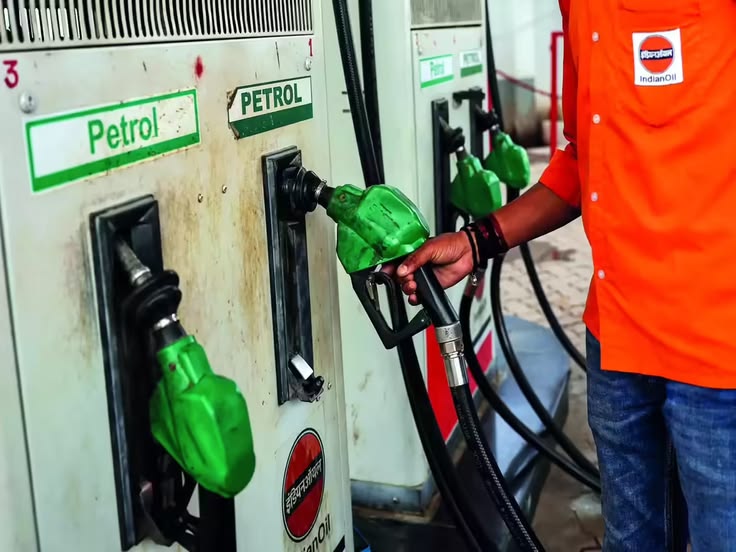
What’s the benefit of E20?
The government said that one of the biggest benefits is the reduced dependence of India on volatile global oil prices. With a share of almost 85%, India is the second-largest importer of crude oil. When the war with Iran broke out and the Strait of Hormuz was closed, petrol prices weren’t changed for two months. The government finally increased the prices by 7.5 rupees per liter in May.
The government further said that blending ethanol is not a subsidy for taxpayers. It is India’s energy insurance. The ministry also dismissed claims regarding subsidized grains, making it clear that rice procured from the Food Corporation of India (FCI) at concessional rates is not being used for ethanol production. The ministry emphasized that there is no compromise on food security, and ethanol is never produced at the expense of the poor.
ALSO READ ::- Ramayana (2026): India’s Biggest ₹4000 Crore Epic Film – Cast, Budget, Release Date & Full Details – tsarkar
…then petrol prices would become ₹125 per liter, big claim by the government on E20 …then petrol prices would become ₹125 per liter, big claim by the government on E20 …then petrol prices would become ₹125 per liter, big claim by the government on E20 …then petrol prices would become ₹125 per liter, big claim by the government on E20 …then petrol prices would become ₹125 per liter, big claim by the government on E20 …then petrol prices would become ₹125 per liter, big claim by the government on E20
THE END :