Bought bumper oil from Russia, reduced imports from the US… this is how India found a way out of the Hormuz crisis 2026

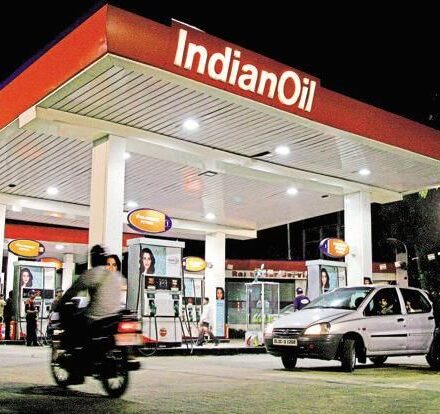
Bought bumper oil from Russia, reduced imports from the US… this is how India found a way out of the Hormuz crisis Amid ongoing uncertainty in the Strait of Hormuz, India sharply increased its crude oil purchases from Russia and the UAE in June. Despite the US-Iran ceasefire and the MoU, Hormuz hasn’t fully returned to normal. In this situation, Indian refineries have boosted imports from alternative sources, keeping energy security in mind.
After the MOU was signed between Iran and the US, India increased its crude oil purchases from Russia and the United Arab Emirates (UAE) in June until the movement of ships in the Strait of Hormuz returns to normal. Indian refineries completed their supply from the Gulf region before it was fully restored.
According to data from maritime and commodity intelligence firm Kpler, India imported an average of 2.66 million barrels of crude oil per day from Russia up to June 19, while in May it was 1.91 million barrels per day. With this, Russia remains India’s biggest oil supplier.
Imports from the United Arab Emirates were 636,000 barrels per day in June, slightly lower than May’s record of 644,000 barrels per day. Meanwhile, Venezuela emerged as India’s fourth-largest oil supplier, providing 209,000 barrels per day. Supplies from Saudi Arabia stood at 384,000 barrels per day.
India cut US oil purchases by up to 60%
On the other hand, oil imports from the US dropped to just 91,000 barrels per day, compared to 252,000 barrels per day in May. The discounted oil from Russia continues to be a beneficial deal for India, while increased purchases from the UAE have helped balance supply amid uncertainties in the Strait of Hormuz.
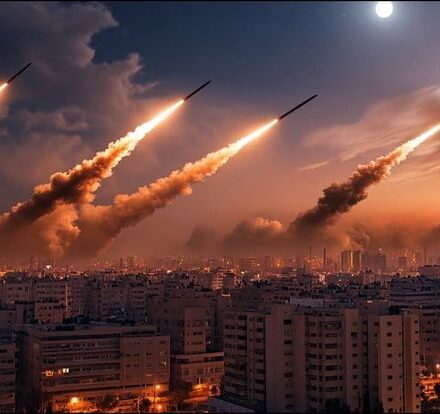
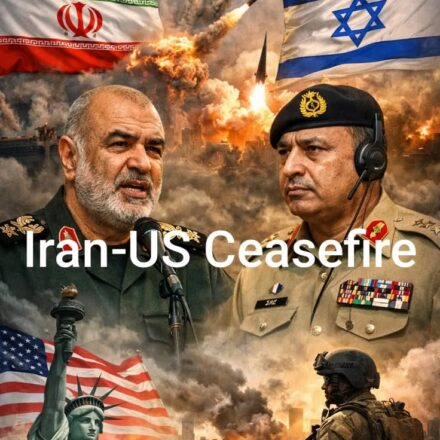
India is the world’s third-largest energy importer and is heavily dependent on Gulf countries for crude oil, LNG, and LPG. After attacks by the US and Israel, Iran had closed the Strait of Hormuz, affecting global energy supplies. Hormuz is a major sea route for transporting about 20 percent of the world’s oil consumption and is considered crucial for exports from Gulf countries like Saudi Arabia, Iraq, Kuwait, the UAE, and Qatar. However, after a ceasefire agreement between the US and Iran, oil supplies through Hormuz have started gradually resuming since the end of last week.
Uncertainty persists over the opening of Hormuz
Still, the situation is considered fragile after Iran accused Israel of violating the ceasefire agreement. Following Israel’s recent attacks on Lebanon, the Iranian military announced again on Saturday that it would close the Strait of Hormuz. This means the sea route is still not fully open for ship traffic. Sumit Ritolia, Senior Manager of Modeling at Kleper, said that reopening the Strait of Hormuz would bring the fastest relief in LPG supply to India, while it might take longer for crude oil and LNG supplies to get back to normal.
He said that during the disruptions of the past several months, India adapted to the situation by using alternative sources of oil and gas supply and other sea routes. According to Ritolia, ‘The reopening of the Strait of Hormuz will be a major milestone for the global energy market, but its impact on India will vary for different fuels.’ He said that LPG was the most affected fuel, while the supply of crude oil and LNG remained relatively stable, as India had increased imports from alternative sources like Russia, Brazil, and Venezuela.
India relies on imports for its energy needs
Sumit Ritolia estimates that once the situation gradually normalizes from the beginning of July, the stranded cargo will be cleared first and shipping activities will resume. After that, exports to Gulf countries will gradually increase. India imports about 88 percent of its crude oil, 50 percent of its natural gas, and around 65 percent of its LPG. Before the Iran war, roughly half of India’s crude oil, two-thirds of its LNG, and about 90 percent of its LPG came from Gulf countries. In recent days, there have also been signs that the situation for India in Hormuz is returning to normal.
Three Indian-flagged oil tankers carrying over 860,000 tons of crude oil, along with an Indian LNG ship, successfully passed through the Strait of Hormuz following the US-Iran agreement. Ritolia said that Russian crude oil still remains a key part of India’s import strategy. Imports from Russia in June are expected to exceed 2.35 million barrels per day, potentially setting a new record. He added that due to competitive prices and supply security, Russia will continue to be an important supplier for India even after things return to normal in Hormuz.
India has also increased oil purchases from Venezuela
Since March, Indian refineries have also increased purchases from the Atlantic Basin and Venezuela to make up for the limited supply from the Gulf region. Imports from Venezuela in June are expected to be around 300,000 to 400,000 barrels per day, though uncertainty remains about the long-term situation due to US sanctions and production limits. The biggest change has been seen in the LPG sector. After Gulf supplies were disrupted, the US emerged as a major LPG supplier for India. Long-term deals made last year helped with this, though transportation costs have gone up because of the long distance.
According to Sumit Ritolia, once Hormuz returns to normal, the market share of Gulf countries will gradually increase, but India’s import strategy will remain more diverse compared to before. He said that the reopening of Hormuz will reduce shipping costs, lower supply risks, and ease pressure on global energy prices. However, it could still take several weeks or months for shipping companies, insurance firms, and traders to fully regain confidence.
Bought bumper oil from Russia, reduced imports from the US… this is how India found a way out of the Hormuz crisis Bought bumper oil from Russia, reduced imports from the US… this is how India found a way out of the Hormuz crisis Bought bumper oil from Russia, reduced imports from the US… this is how India found a way out of the Hormuz crisis Hormuz closed 2026, then a crisis over oil… Did the US-Iran deal break? Trump’s new proposal – tsarkar