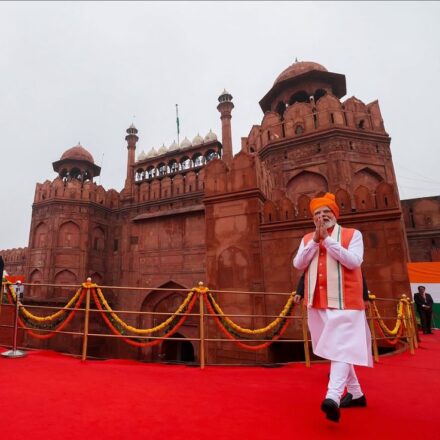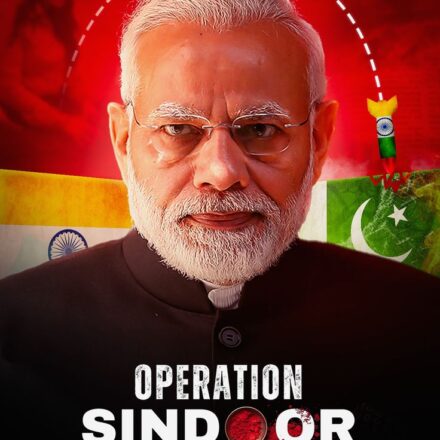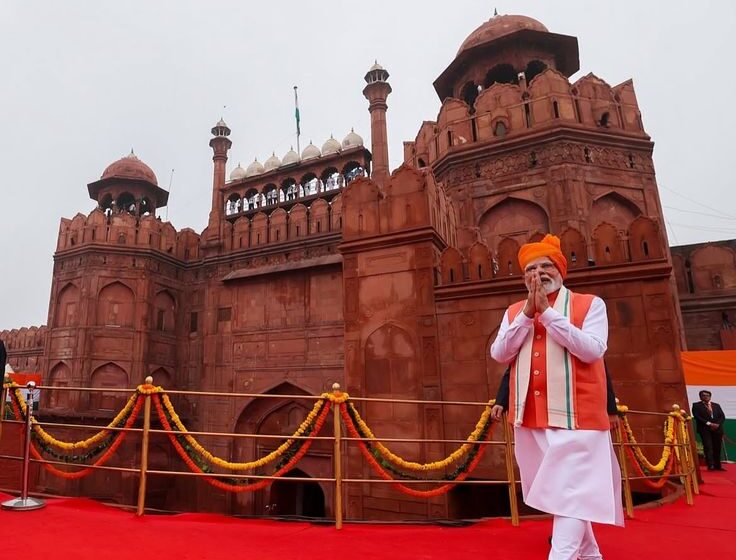

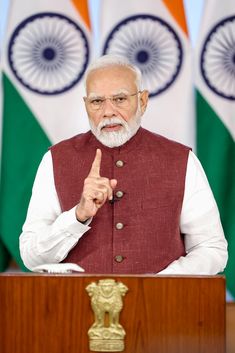
Why Intellectual Naxalism Is Seen as a New Challenge:- On August 15, Prime Minister Narendra Modi warned the nation from the ramparts of the Red Fort to remain vigilant against ‘intellectual Naxalism.’ He stated that while armed Naxalism has been defeated, ideology-based Naxalism fosters despair, anarchy, and an anti-development mindset within society.
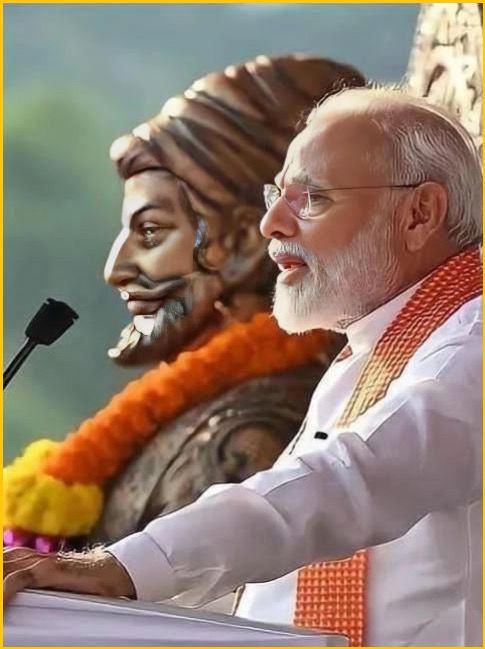
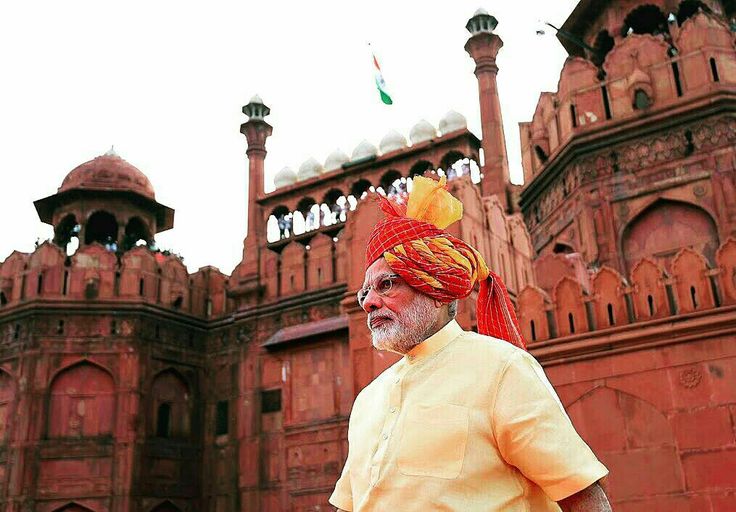
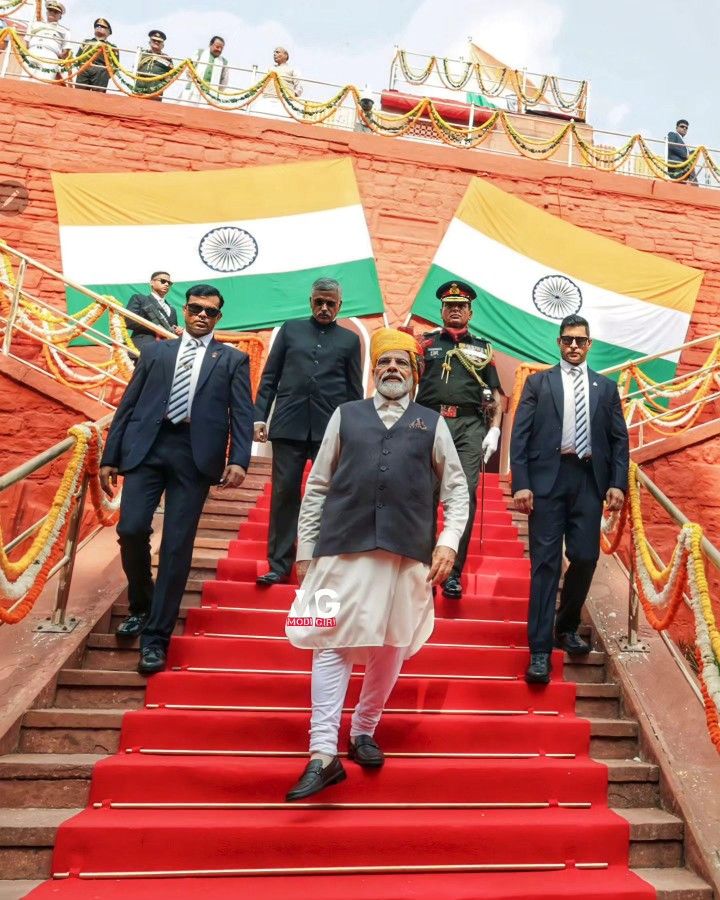
On August 15, Prime Minister Narendra Modi issued a new warning to the nation from the ramparts of the Red Fort. He stated that while India has largely triumphed over armed Naxalism, the country now needs to be wary of “intellectual Naxals.” The Prime Minister was referring to ideologies and tendencies that foster despair, anarchy, and an anti-development mindset within society. In a democracy, the right to dissent is paramount.
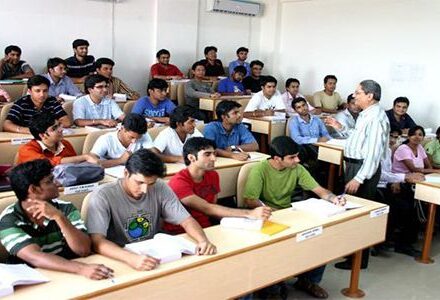
Criticizing the government, questioning policies, and presenting alternative viewpoints are hallmarks of any healthy democracy. However, there is a clear line between dissent and an anti-development narrative. The problem arises when ideological bias replaces facts and logic, and every development project is viewed as exploitation, every economic reform as a conspiracy, and every national achievement with suspicion.
Several such instances have come to light in recent years. A case in point is the statement made by Congress leader Kanhaiya Kumar during the Bihar elections, claiming that the highways and roads being constructed in the state were intended to plunder Bihar’s water resources. Roads form the backbone of any state’s economic progress; they facilitate access to industry, trade, education, and healthcare services. When even such fundamental development projects are portrayed as instruments for the exploitation of the public, it only breeds confusion and mistrust within society.
Similarly, there was a widespread debate regarding senior Congress leader Sam Pitroda’s views on wealth redistribution. Ideas such as the large-scale redistribution of the wealth of the rich might seem appealing at first glance, but the experience of many countries around the world shows that wealth redistribution alone does not lead to prosperity. Prosperity is generated through enterprise, investment, innovation, and job creation. If the message goes out to society that success can invite a penalty, both investment and entrepreneurship are adversely affected.
Today, India ranks among the world’s fastest-growing major economies. Highways, railways, airports, digital infrastructure, and manufacturing capabilities are expanding across the country at record levels. While one may disagree with government policies, viewing every development project with suspicion—and fostering the perception among the public that development is merely another name for exploitation—cannot be considered in the national interest.
History teaches us the same lesson. Naxalism did not originate merely with the gun; it was underpinned by an ideological framework that rejected democratic institutions and viewed struggle and confrontation as the only path to systemic change. Even though circumstances may have changed today, the impact of an ideology that consistently fosters distrust in the system, development, and national institutions cannot be ignored.
However, a note of caution is also necessary here. The term “Urban Naxal” should not be used so broadly that it encompasses every critic or dissenter. In a democracy, criticism is not an act of enmity but a means of reform. Governments, too, must ensure that a clear distinction is maintained between legitimate dissent and anti-national sentiment.
India’s greatest strengths are its democracy and its aspiration for development. The country needs neither violent Naxalism nor ideological dogmas that cast doubt on every positive change. Let there be criticism, but based on facts; let there be debate, but with the national interest at the core; let questions be raised about development, but not from a mindset that brands development itself a crime.
The essence of the Prime Minister’s warning is perhaps that India must remain vigilant not only against threats at its borders but also against ideas that drive society towards despair, division, and an anti-development mindset. In a democracy, the battle of ideas is won through ideas alone. Therefore, the country needs a discourse that is critical, constructive, and—above all—optimistic about India’s future.
ALSO READ :- Pakistan Army cornered in Balochistan; BLA claims to have killed 26 Pakistani soldiers – tsarkar
Why Intellectual Naxalism Is Seen as a New Challenge Why Intellectual Naxalism Is Seen as a New Challenge Why Intellectual Naxalism Is Seen as a New Challenge Why Intellectual Naxalism Is Seen as a New Challenge Why Intellectual Naxalism Is Seen as a New Challenge Why Intellectual Naxalism Is Seen as a New ChallengeWhy Intellectual Naxalism Is Seen as a New Challenge
THE END