How Trump’s fight completely shifted from nuclear to Hormuz, the timeline from February 28 until now

How Trump’s fight completely shifted from nuclear to Hormuz, the timeline from February 28 until now, On February 28, 2026, Trump-Israel launched attacks on Iran, which targeted nuclear sites. In response, Iran closed the Strait of Hormuz. The war completely shifted to the oil route.
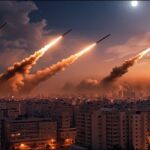
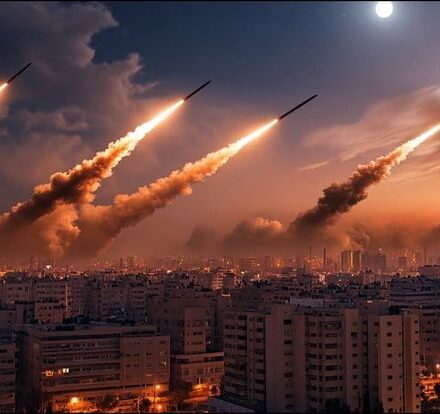
The fight between U.S. President Donald Trump and Iran started on February 28, 2026. The U.S. and Israel carried out major attacks on Iran under the joint operation ‘Epic Fury.’ The main targets of these attacks were Iran’s nuclear projects, missile sites, command centers, and military bases. Supreme Leader Ayatollah Ali Khamenei died in these attacks, which was a huge blow to the Iranian regime. The Trump administration said that Iran was building nuclear weapons, which had to be stopped.
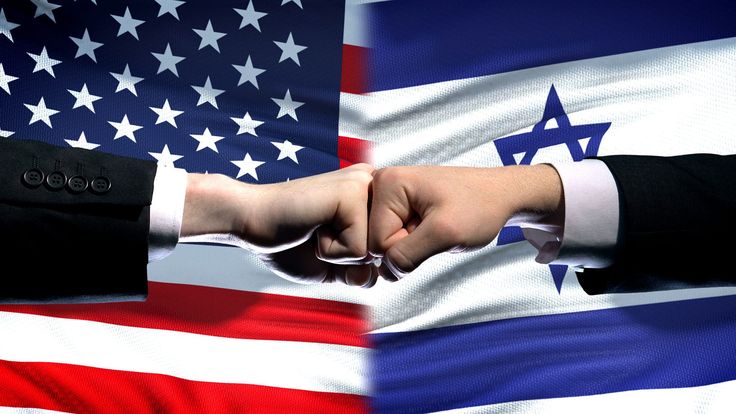
Negotiations had been going on since 2025 before this attack, but no agreement could be reached. Iran responded to these attacks with missiles and drones. Israel, U.S. bases, and Gulf countries were attacked. The biggest change came when Iran effectively shut down the Strait of Hormuz.
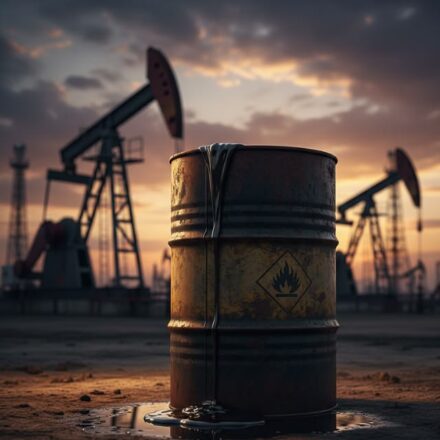
About 20% of the world’s oil passes through this narrow sea route. Iran started attacking ships, which made oil prices skyrocket and affected the global economy. In this way, Trump’s fight, which initially was about the nuclear deal and stopping weapons, quickly turned into a battle over Hormuz and the oil route.
March-April: Hormuz crisis and ceasefire
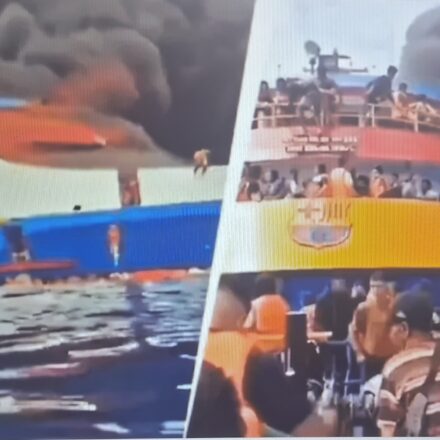
In March 2026, Iran declared the Strait of Hormuz completely ‘closed.’ Several ships were attacked, bringing shipping to a near halt. The U.S. destroyed several Iranian navy ships, but Iran responded with mines and fast attack boats. The oil shortage started being felt in Asia.
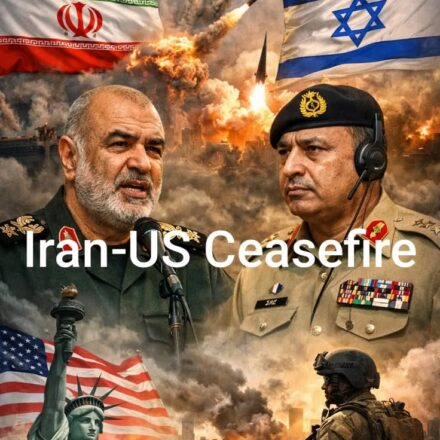
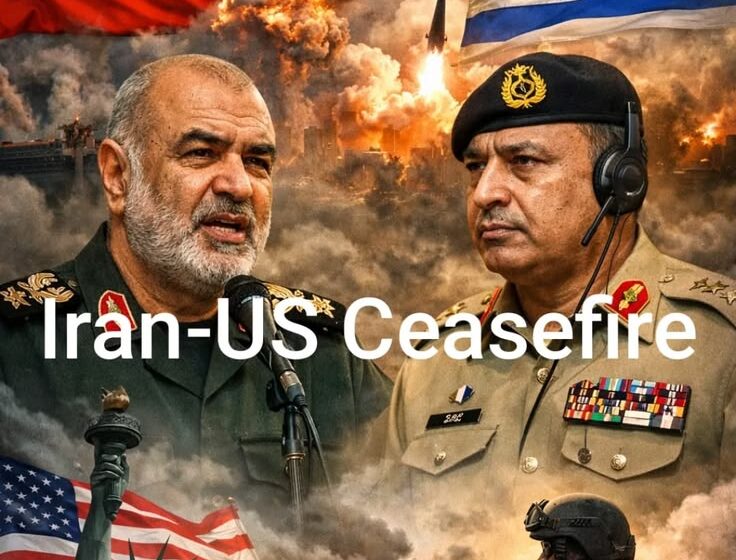
At the beginning of April, there was a two-week ceasefire on April 7-8 mediated by Pakistan and China. Trump announced it on social media. But the issue of Hormuz remained unresolved. Iran did not give up control over Hormuz. On April 11-12, there were direct talks in Islamabad between US Vice President JD Vance and Iranian officials – the highest level since 1979. No agreement was reached.
After this, Trump ordered the U.S. Navy to impose a blockade on Hormuz. Ships coming to and from Iranian ports were stopped. This created a ‘dual blockade’ situation. Iran’s economy was hit hard because its oil exports stopped. The Hezbollah-Israel fighting in Lebanon also restarted. The war had become more of an economic and naval control struggle than a nuclear one.
May-June: MoU and temporary relief
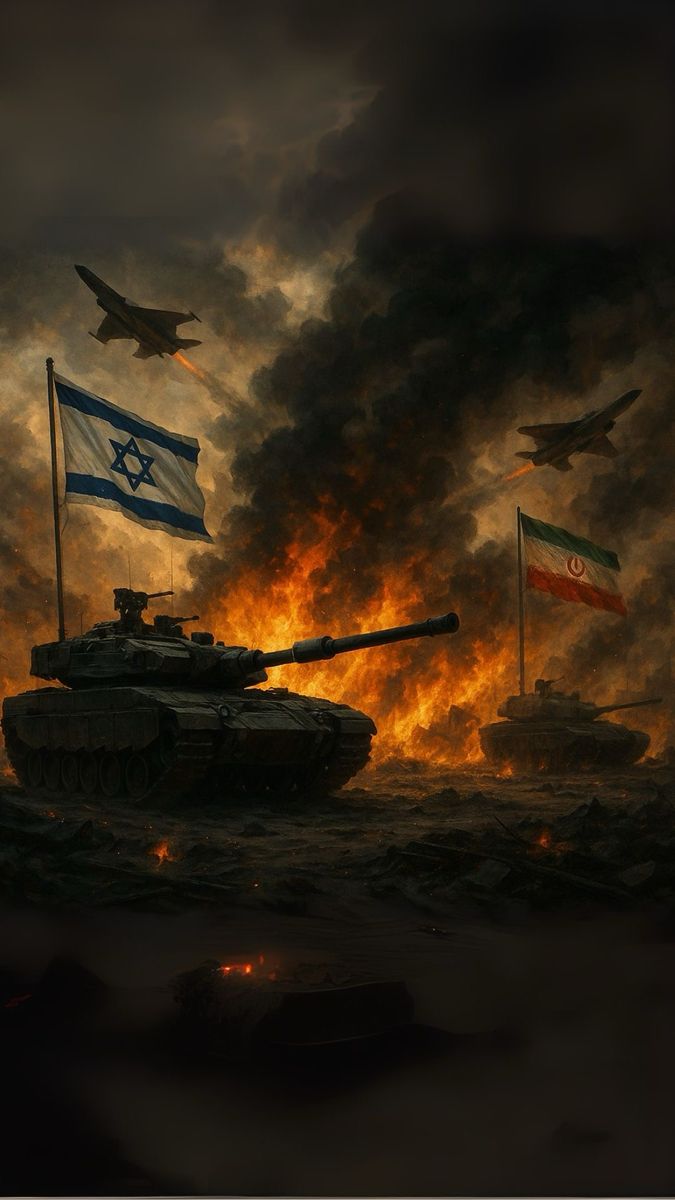
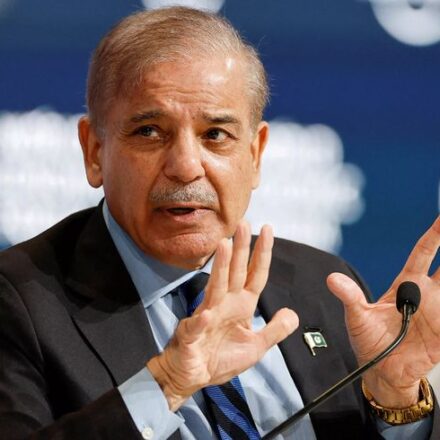
The fighting continued in May, but the talks were going on too. In June, a big breakthrough came through the mediation of Pakistan’s Prime Minister Shehbaz Sharif. On June 14, the Islamabad Memorandum of Understanding (MoU) was announced. On June 17, Trump (in France) and Iranian President Masoud Padeshkyan signed it.
The main points in this agreement were…
- Reopen Hormuz and lift the American blockade.
- Stop the fighting in Lebanon.
- Some relief in sanctions on Iran and reconstruction aid.
- Further talks on the nuclear program in 60 days.
Iran promised to end its ‘toll-free’ control over Hormuz. Ship movements resumed but didn’t get completely back to normal. The nuclear issue was postponed, making it clear that the war is now focused on Hormuz.
July 2026: Ceasefire breaks and a new clash
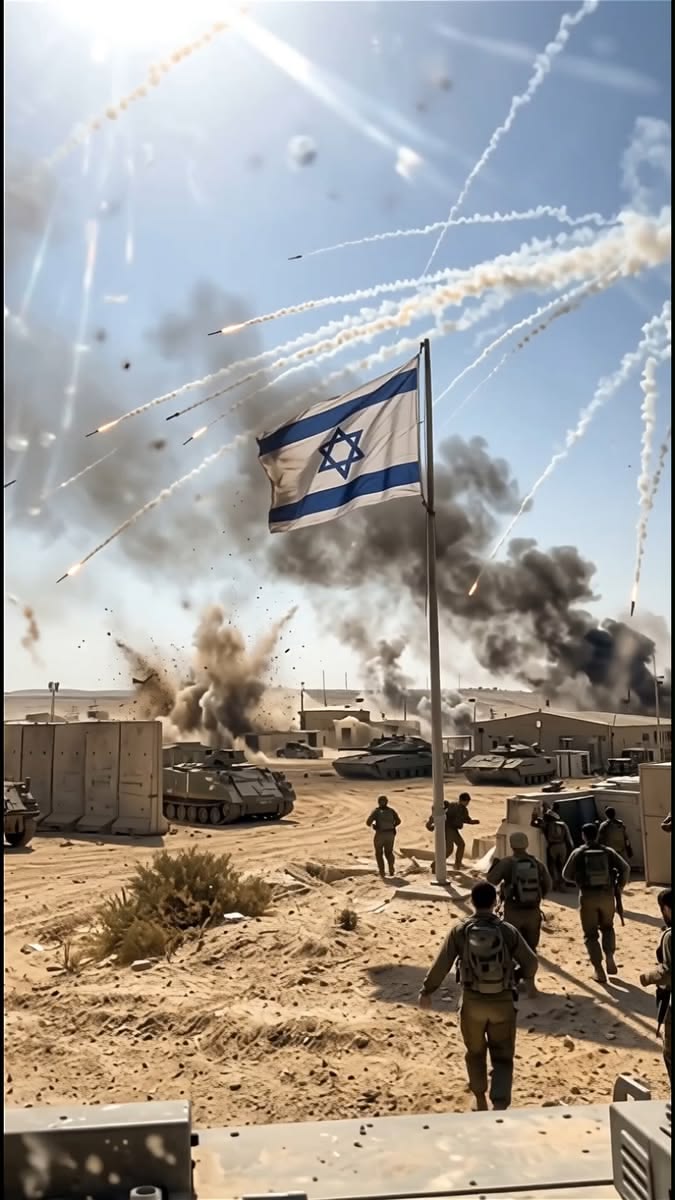
Even after the June MoU, tensions didn’t ease. At the start of July, Iran again attacked ships in the Strait of Hormuz (three ships on July 6-7). Trump called it a violation of the MoU and said the deal was ‘over.’ The US responded with counterattacks – on Iranian radars, anti-ship missile sites, command centers, and IRGC small boats.
CENTCOM said that these attacks are to ensure freedom of navigation in the Hormuz. Iran also attacked US bases in Bahrain and Kuwait. Trump withdrew the sanctions waiver on oil exports. Oil prices went up again. Until July 8, the situation is tense but hasn’t escalated to full-scale war.
Why did you shift?
Trump’s strategy was initially to eliminate the nuclear threat – Khamenei’s death and attacks on sites are proof of that. But Iran weaponized the Strait of Hormuz, which is a choke point for the world’s oil trade. This pushed the war to the economic front. The US had to step in to protect the Gulf countries and the global economy.
Iran’s weakness became evident through the blockade and counter-blockade of Hormuz because its economy relies on oil. By postponing the nuclear agreement, Trump prioritized Hormuz. This shift shows how powerful economic choke points can be in modern warfare.
From February 28 until now (July 2026), Trump’s fight with Iran has completely shifted from nuclear issues to the Strait of Hormuz. Thousands of deaths, millions displaced, and a global oil crisis are the results. The MoU gave temporary relief, but the July clash shows that peace is still far off. The nuclear issue remains, but Hormuz has now become the main battleground.
How Trump’s fight completely shifted from nuclear to Hormuz, the timeline from February 28 until now How Trump’s fight completely shifted from nuclear to Hormuz, the timeline from February 28 until now How Trump’s fight completely shifted from nuclear to Hormuz, the timeline from February 28 until now How Trump’s fight completely shifted from nuclear to Hormuz, the timeline from February 28 until now
;;; the end ;;;