Pakistan shouldn’t be growling over the Indus Water Treaty, India has the argument of having the US, Russia, and China on its side! 2026 Pakistan’s Weak Warning on the Indus Water Treaty? India’s Strong Global Support from the US, Russia & China Shocks 2026!

Pakistan shouldn’t be growling over the Indus Water Treaty, India has the argument of having the US, Russia, and China on its side! Pakistan blames India entirely for not following the Indus water agreement but stays silent on terrorism. Many powerful countries in the world have ended agreements that didn’t suit their national interests. China, Russia, and the US are examples of this.
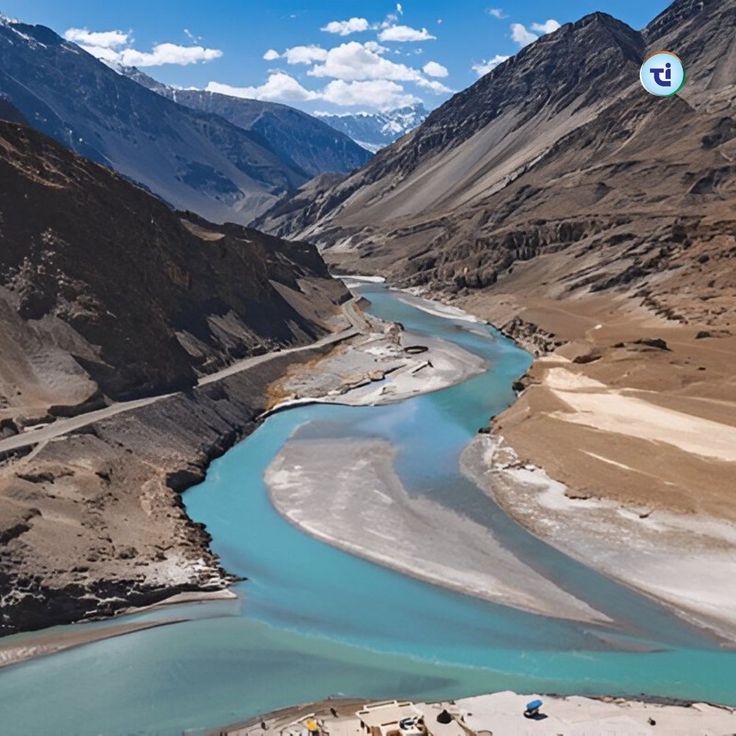
Pakistan is whining about the Indus Waters Treaty. After the Pulwama terrorist attack, India temporarily suspended this treaty. Now Pakistan is giving jackal-like threats and is even talking about resorting to violence directly. But the boastful Pakistan doesn’t realize that India has an argument used by the US, Russia, and China. It’s by using this very argument that these three big countries have exited international agreements and given more importance to their national concerns and interests.
Recently, Pakistan’s minister Ataullah Tarar said in a seminar that India cannot modify, cancel, or suspend the Indus Water Treaty (IWT). But Pakistan has completely ignored India’s concerns about terrorism.
However, Indian defense experts have emphasized India’s legitimate rights by giving examples of violations of agreements by big countries on the international stage and have said that India has the right to take every step to address its concerns about terrorism.
Former Lieutenant General P.R. Shankar (Retired) tweeted on X that if the U.S. can pull out of the JCPOA, Russia can move away from the INF Treaty, and China can reject The Hague’s decision on the South China Sea, then India can also temporarily suspend the IWT in the interest of national security.
It means that the major powers of the world have ignored or withdrawn from international agreements when they no longer served their national interests. Defense expert, former Lieutenant General P.R. Shankar (Retd), says that powerful countries prioritize strategic/national security needs over strictly following treaties, so India might do the same in the case of the IWT.
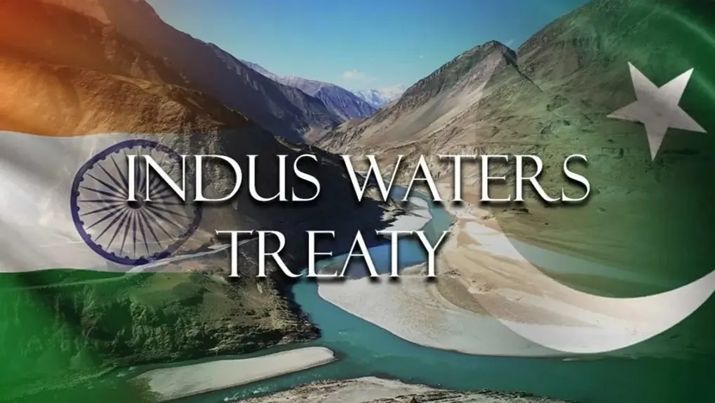
The Indus Water Treaty of 1960 was a historic water-sharing agreement between India and Pakistan, mediated by the World Bank. Under this agreement, the six rivers of the Indus river system were divided into two parts. Most of the water from the Ravi, Beas, and Sutlej rivers went to India, while the main use of the Indus, Jhelum, and Chenab rivers was given to Pakistan.
- India has long been demanding a review of this agreement in the context of Pakistan-sponsored terrorism.
- Let’s try to understand when the world’s major powers have pulled out of international agreements in their national interest.
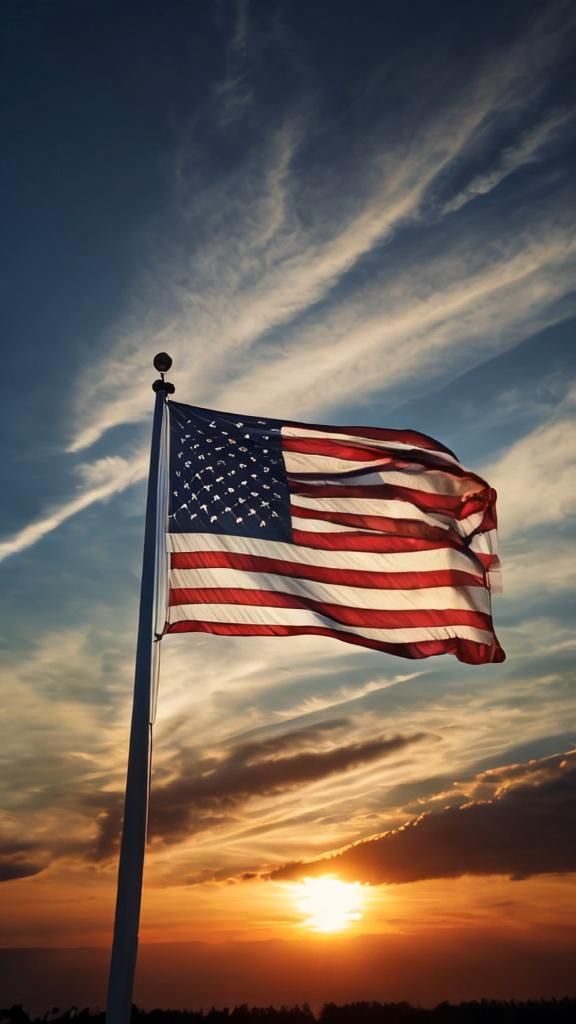
The U.S. pulled out of the Iran deal (JCPOA) in 2018
What happened:Under President Trump, the U.S. unilaterally pulled out of the 2015 ‘Joint Comprehensive Plan of Action’ (JCPOA) in 2018 and re-imposed sanctions on Iran despite the objections of the other signatories (UK, France, Germany, Russia, China, EU).
What arguments did the US make: The US argued that this deal was fundamentally flawed. Trump called it the worst deal ever. The US said that it didn’t properly address issues like Iran’s ballistic missile program, regional proxy activities, and the ‘sunset clauses’ (time-bound provisions), which could have allowed Iran to resume advanced nuclear work later on. Trump considered it a bad deal because Iran got stronger from it, but it didn’t really curb Iran’s nuclear ambitions or protect America’s allies. It was seen as a political commitment whose enforcement depended on the US’s will. Seeing an opportunity, the US pulled out of the deal. In 2025-2026, there was a severe war over this issue.
Russia has withdrawn from the INF (Intermediate-Range Nuclear Forces)
What happened: Not just the U.S., but other countries in the world have also interpreted international treaties according to their convenience. In 1987, there was an agreement between the U.S. and the Soviet Union (now Russia). It was a nuclear control agreement that completely banned ground-launched missiles with a range of 500 to 5,500 kilometers. It was a historic deal that helped reduce the Cold War.
Despite this, both countries continued to work on their missions secretly. In 2019, the US backed out of its responsibilities. Then Russia did the same. After that, the ‘Intermediate-Range Nuclear Forces Treaty’ ended.
What arguments did both countries give: The U.S. accused Russia of seriously violating the treaty and said that Russia is building the banned 9M729/SSC-8 missile.
Russia argued that due to the activities of the US/NATO (like missile defense systems in Europe) and the changing security environment, this treaty has now become outdated. China is building intermediate-range missiles without any restrictions. So now this treaty doesn’t make any sense. In other words, no country was really committed to this treaty.
Both sides stopped following the treaty, which ended the treaty.
China rejected the UN treaty decision
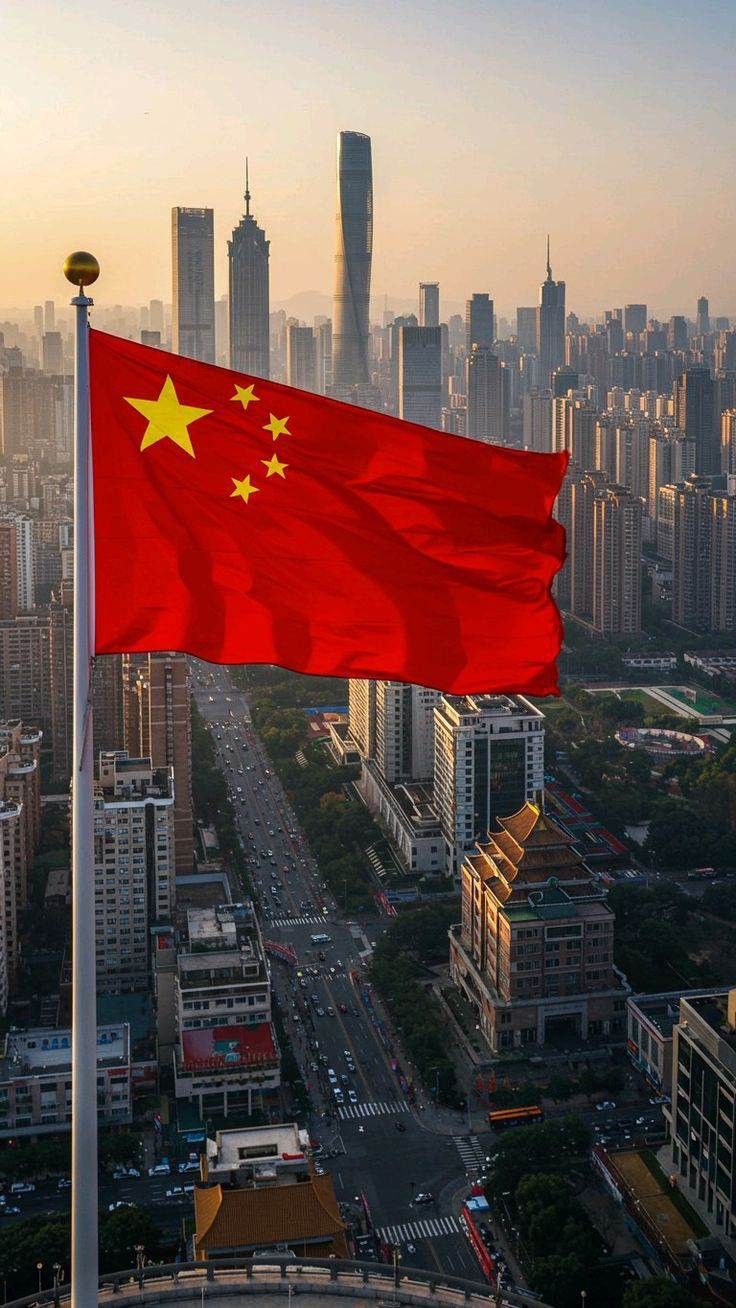
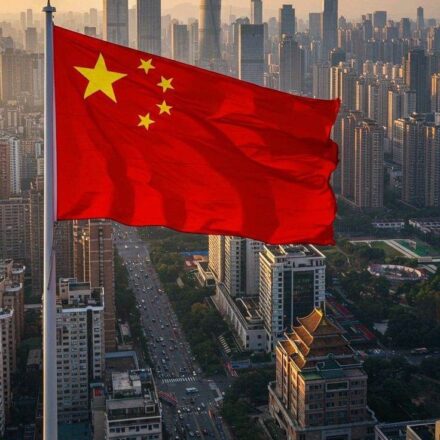
What happened is that another superpower of the world, China, also followed the treaties according to its own convenience. In a case brought by the Philippines, UNCLOS ruled against China and declared China’s construction of artificial islands in the South China Sea to be wrong. China completely rejected this decision. UNCLOS (United Nations Convention on the Law of the Sea) is an international treaty by the United Nations on maritime law.
What was China’s argument: China never accepted the tribunal’s jurisdiction. Their argument was that this dispute involves a matter of sovereignty, which the tribunal cannot decide on, and that bilateral talks are the right way to go. They considered this ruling illegal and politically motivated and said it is not binding on their ‘indisputable’ regional sovereignty and maritime rights. Despite this, China continued its activities.
These examples show that big countries can back out of international agreements based on national interests, security threats, or violations by the other side. In the case of the IWT, India can strongly raise the issue of Pakistan’s terrorism. Pakistan can approach the World Bank or the International Court. But the reality is that the balance of power and national security often take precedence over legal norms and obligations. Home
;;; the end ;;;